|
Enterprise Showcase
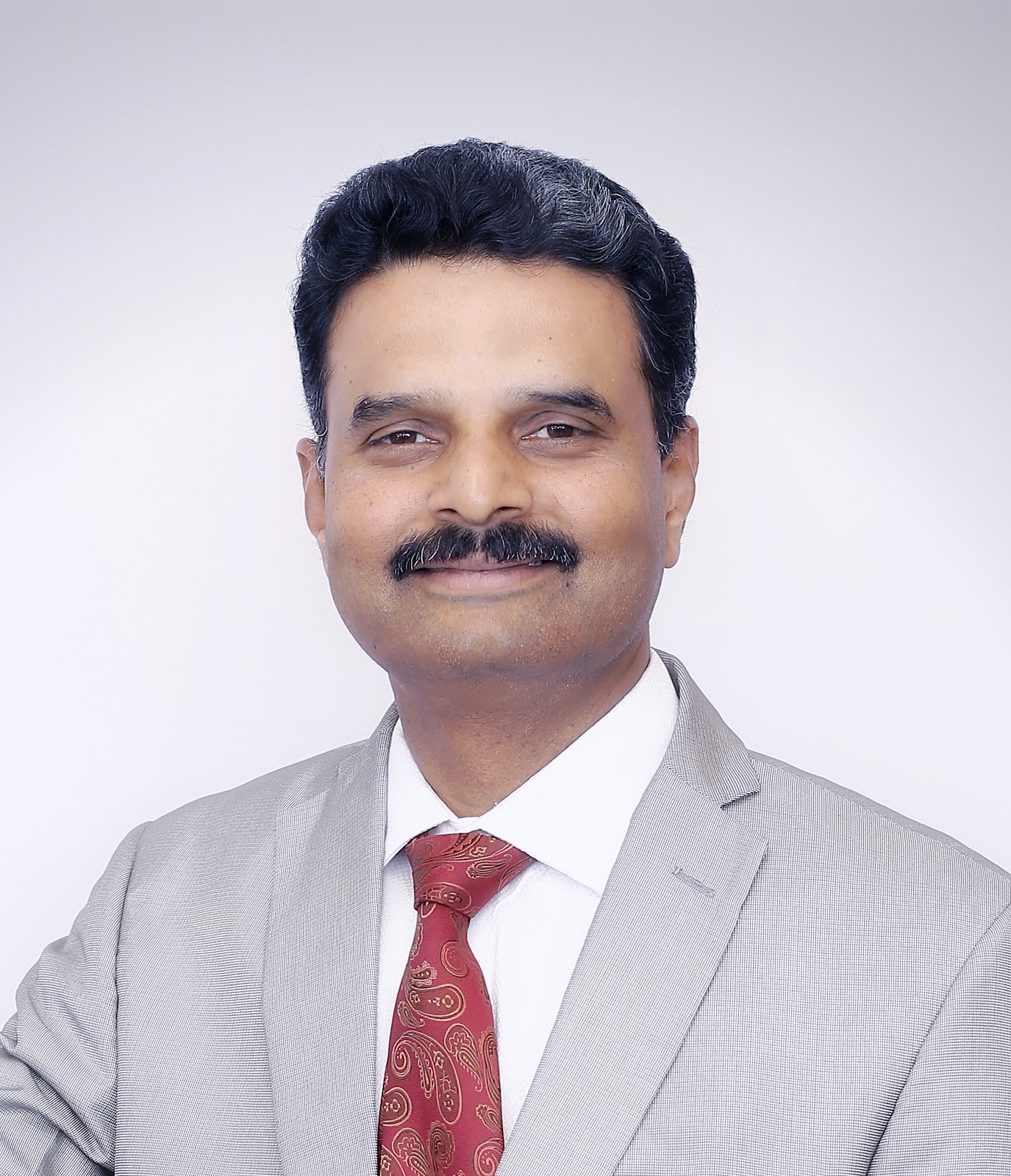
Dialogue with Dr. S. Chandrakumar, Founder & Executive Chairman, Kauvery Group of Hospitals
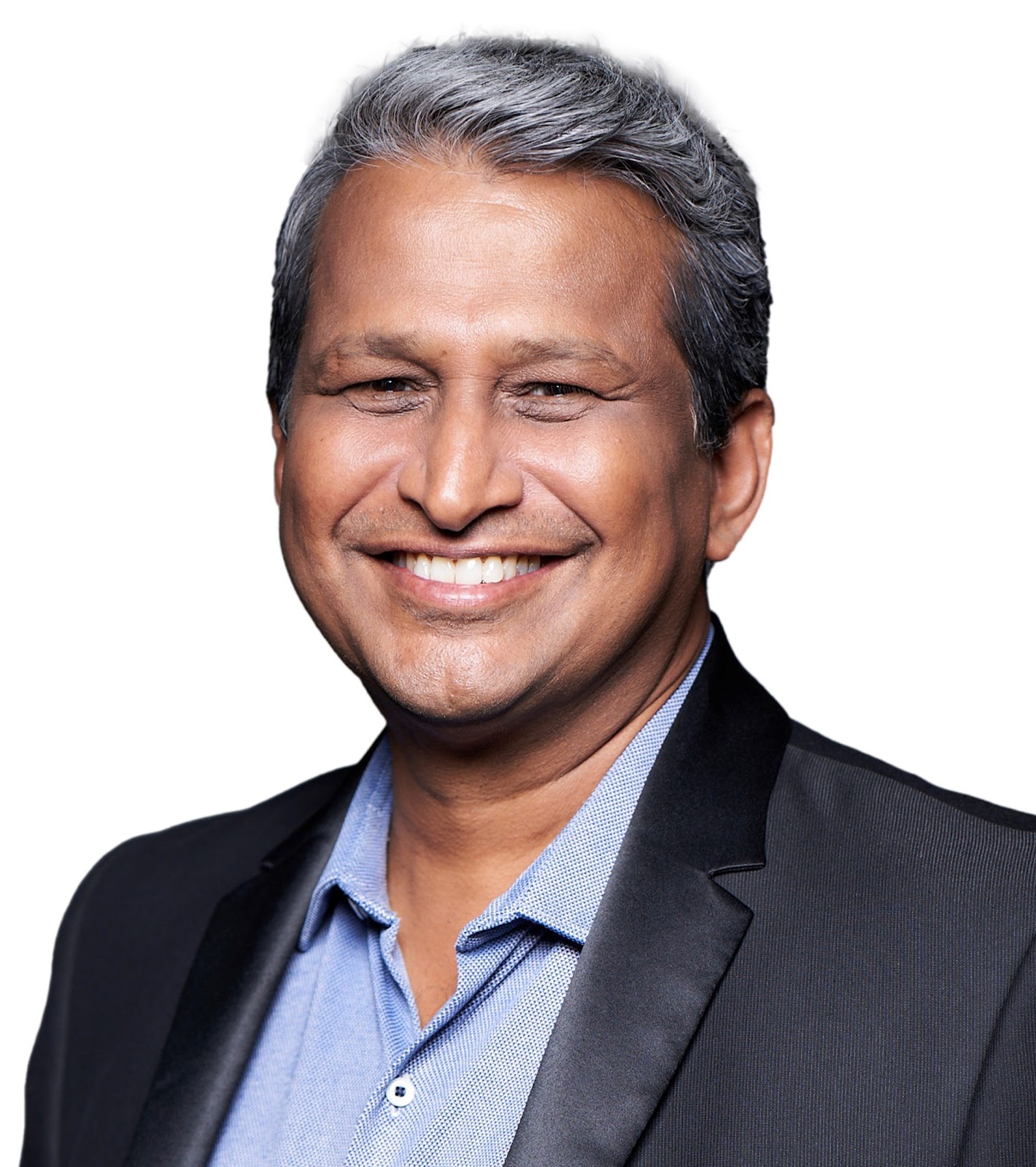
Dr. S. Manivannan MD, DNB, Founder & Managing Director, Kauvery Group of Hospitals
|
|
1
How has Kauvery Hospitals’ mission of affordable, high-quality care evolved over time, and in what ways has its origin journey from Tier 2 influenced it’s impact based outcome approach?
|
Kauvery’s mission is to make great healthcare affordable, with a long-term ambition to be among the most trusted and respected healthcare providers.
Kauvery was founded in Trichy by doctor-entrepreneurs Dr. Chandrakumar and Dr. Manivannan, and subsequently expanded into major metros. This Tier-2-to-metro journey is relatively rare in Indian private healthcare and has fundamentally shaped Kauvery’s philosophy, one rooted in clinical rigor, operational discipline, cost consciousness, and sustainability, rather than metro-first cost structures.
Today, Kauvery operates as a multi-specialty tertiary and quaternary care hospital platform, delivering complex, high-acuity care with strong clinical governance and patient-safety standards, including NABH/JCI accreditation at key units. Over time, the group has evolved into an institute-led, outcomes-driven model, focused on advanced specialties:
Cardiac sciences, Neurosciences, Oncology, Gastroenterology, Renal sciences (Nephrology & Urology), Orthopaedics, Organ Transplants, Critical care, and Emergency medicine.
|
2
Who does Kauvery primarily serve today, particularly in terms of patient profiles, care needs, and expectations around affordability?
|
Kauvery primarily serves the aspirational and emerging middle class of India, along with the upper-middle-income segment patients who demand high clinical quality while also expecting predictability, transparency, and value in the total cost of care.
Within this, Kauvery serves a meaningful share of price-conscious but quality-demanding patients who require high-acuity care across cardiac, neuro, oncology, gastro, renal, orthopedic, organ transplants and critical care pathways. These patients are typically neither fully insulated by premium insurance nor dependent on government schemes, and are highly sensitive to outcome risk and cost uncertainty.
Patients access Kauvery through a mix of private insurance, employer-led healthcare, direct self-pay, and limited government/public-pay pathways. Importantly, government schemes account for less than 10% of the patient base, reinforcing that Kauvery’s core proposition is affordable excellence, not volume-driven public healthcare.
|
3
From Kauvery’s perspective, what does “impact” in healthcare mean, and how is it measured?
|
For Kauvery, impact is about earlier access to advanced care, better clinical outcomes, and more predictable care journeys for patients requiring tertiary and quaternary interventions. At scale, this is reflected in 1.5 Million patients who are provided care by us.
Impact is assessed across four dimensions:
-
Access to advanced care
Enabling patients to receive complex interventions closer to home, reducing dependence on metros and shortening time to definitive treatment.
-
Clinical outcomes and safety
High-volume, outcomes-driven delivery across advanced specialties, supported by protocol-driven care and continuous monitoring.
- Affordability and predictability
Transparent, standardised care pathways that allow patients to plan treatment with confidence and avoid cost escalation and indirect burdens such as travel and repeat referrals.
-
System strengthening
Building durable healthcare capacity through skilled teams, standardised protocols, and scalable infrastructure across regions.
A defining element of Kauvery’s impact is capability decentralisation ensuring that advanced and quaternary care is not confined to metros.
|
4
What proportion of your patient base comes from government schemes, and how do you ensure inclusion?
|
Government schemes account for under 10% of Kauvery’s patient base. Inclusion at Kauvery is driven not by scheme volumes, but by structurally reducing barriers to advanced care i.e., through regional availability, transparent care pathways, and lower indirect costs such as travel and delays.
|
5
How does Kauvery work with public health systems, primary care, or other stakeholders to improve continuity or timeliness of care?
|
Kauvery operates as a regional tertiary and quaternary referral hub, supporting multiple districts around each hospital.
For example, its Trichy hospital serves patients from nearly seven districts, reducing the need for metro migration for complex care.
Upstream, Kauvery conducts preventive screenings and health camps, including rural breast-cancer screening through a mobile mammography unit. Continuity is further supported by over 100 Occupational Health Centres providing 24×7 first-response care across industrial and corporate campuses. During COVID-19, Kauvery also contributed to government advisory panels on clinical protocols and triage frameworks.
|
6
How do employment, gender inclusion, and sustainability feature in Kauvery’s impact approach?
|
Kauvery employs 12,000 people, with women comprising around 60% of the workforce, across metros and non-metro regions.
Several hospitals are accredited DNB (Diplomate of National Board) and fellowship training centres, while allied health programmes train over 1,000 professionals annually. At a system level, Kauvery partners with the Tamil Nadu Skill Development Corporation, supporting the training of 3 lakh healthcare professionals.
Sustainability is embedded through near-100% renewable electricity usage, green operating theatres, LEED-certified facilities, and structured ESG monitoring.
|
7
Over the next 3–5 years, what are the top three impact goals?
|
- Expand access to tertiary and quaternary care through regional hubs throughout Southern India
- Improve outcomes and predictability through institute-led care (Center-of-excellence approach), standardisation, and governance
- Strengthen healthcare system capacity through workforce skilling, stable employment (especially for women), and sustainable hospital infrastructure
These priorities are supported by aligned, long-term capital partners such as Lightrock, enabling Kauvery to invest ahead of demand in clinical capability, workforce, and sustainable hospital infrastructure.
|
|
|
Dr. S. Chandrakumar, Founder & Executive Chairman, Kauvery Group of Hospitals
Dr. S. Chandrakumar is the Founder and Executive Chairman of the Kauvery Group of Hospitals. A qualified anaesthesiologist and critical care specialist have transitioned from clinical practice to become a healthcare entrepreneur with a strong focus on strategic planning and organizational leadership. He embarked on a mission to deliver high-quality, affordable healthcare to communities.
Dr. S. Manivannan MD, DNB, Founder & Managing Director, Kauvery Group of Hospitals
He is a visionary leader and first-generation medical entrepreneur with a visionary approach to healthcare accessibility and quality across India. He completed his MBBS from Madras Medical College in 1992 and went on to earn his MD in Anaesthesiology from BJ Medical College, Pune, in 1997.
About Kauvery Hospitals
Kauvery Hospitals, led by Dr. S. Chandrakumar and Dr. S. Manivannan, is a leading multi-specialty hospital platform with a strong presence across Tamil Nadu and Karnataka. Since inception, the group has scaled to over 2,500 beds across six cities, delivering advanced tertiary and quaternary care across cardiac sciences, oncology, neurosciences, renal care, orthopaedics, and transplant services.
For more information, go to: https://www.kauveryhospital.com/
|
|
About Impact Investors Council:
Impact Investors Council, India (IIC) is a member-based national industry body formed with an
objective to build and strengthen the impact investing eco-system in India. To know more about our work visit https://iiic.in or reach out to secretariat@iiic.in
|
Disclaimer: Data and Information in this newsletter is made available in good faith with the exclusive intention of helping market and ecosystem players, policymakers and the public build a greater
understanding of the Indian impact investing market. The data is collated from sources believed to be reliable and accurate at the time of publication. Readers are urged to exercise independent judgment and diligence in the
usage of this information for any investment decisions
Some of the information provided in this newsletter is supplied by third parties. It is important that all users understand that third party information is not an endorsement of any nature and has been put together with the
sole purpose of benefiting stakeholders.
|
| Unsubscribe |
|
|
|