|
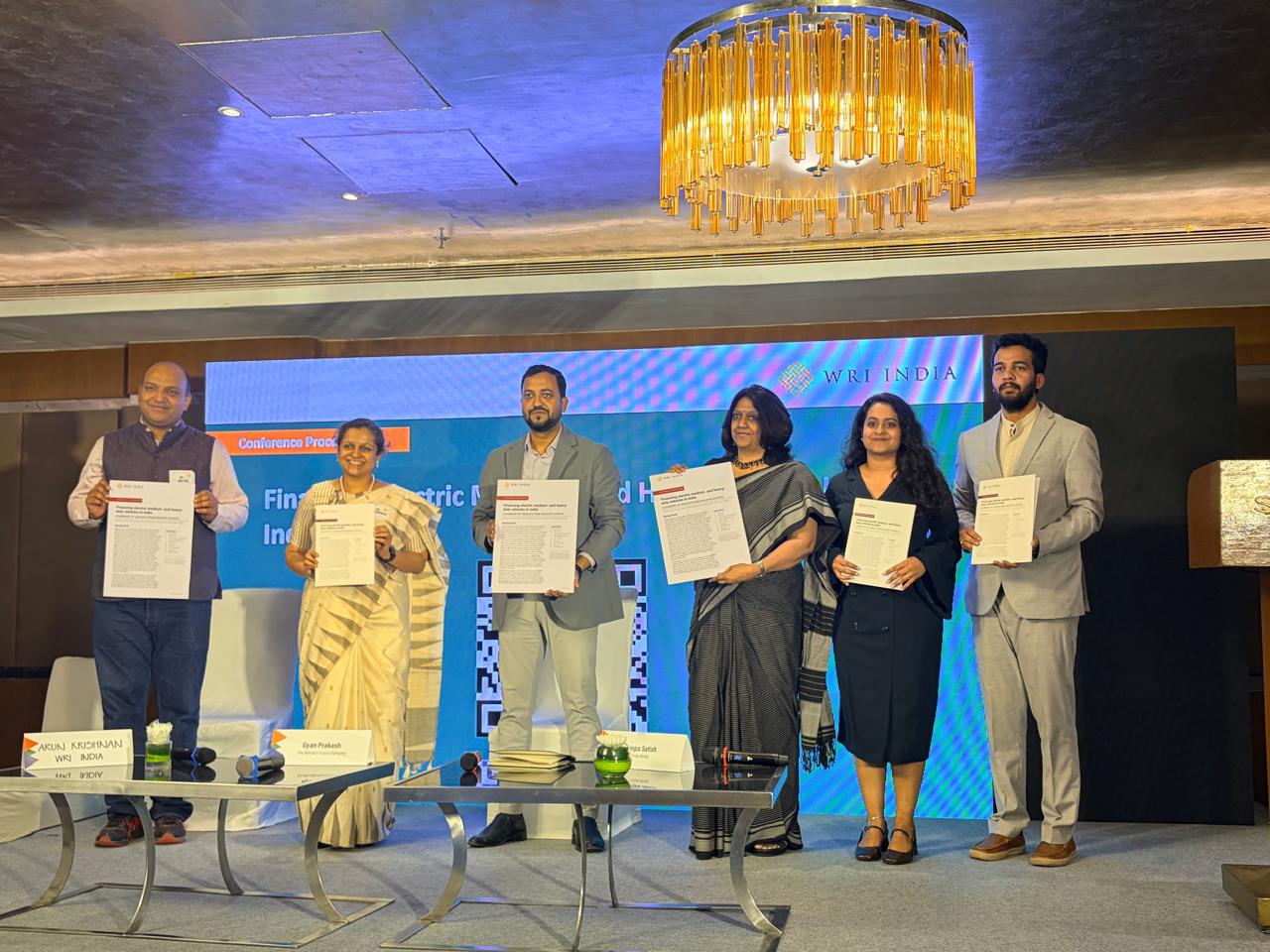
Financing the Shift: Unlocking India's Electric Freight Future 18th February 2026 | Sofitel Mumbai, Bandra Kurla Complex
On February 18, 2026, the Impact Investors Council, in partnership with WRI India, convened an exclusive closed-door session on the sidelines of Mumbai Climate Week to accelerate the flow of institutional capital into India's electric freight sector. The session brought together logistics service providers (LSPs) with active electric freight operations and financing institutions in a structured, timed interaction format. Following a context-setting presentation on aligning capital with market reality and a panel discussion on matching capital to risk in electric truck financing, the session transitioned into an Investor Open House where investors held one-on-one conversations with 10–15 LSPs to understand their business models, capital requirements, and growth outlook.The format was deliberately curated to reduce the distance between project development and financial closure recognising that e-freight has moved well beyond the pilot phase and now represents a scalable, policy-aligned investment opportunity.
Climate Capital in Action: Aligning Policy, Infrastructure, and Finance to Scale an Inclusive EV Ecosystem in India
On February 25, 2026, the Impact Investors Council, in collaboration with KPMG convened an exclusive financing roundtable to explore the barriers and enablers of EV financing in India. The roundtable brought together participants spanning every layer of the capital stack DFIs, commercial banks, NBFCs, impact VCs, leasing entities, family offices, policymakers, and operators, ensuring no single perspective dominated. Discussion surfaced four interconnected financing barriers: technology and asset risk, capital structure gaps, market infrastructure deficits, and policy uncertainty. Residual value uncertainty, technology risk, and revenue unpredictability together accounted for nearly 70% of reported barriers. On the enablers side, participants identified credit guarantees and first-loss structures, demand aggregation, standardised offtake agreements, and livelihood-based underwriting as the most critical levers to unlock deployment. The session also examined the role of stage-sequenced capital, Battery-as-a-Service models, and PSL designation for EV loans in making the sector bankable for commercial finance.
The collective diagnosis confirmed that India's EV financing gap is driven not by a lack of willing capital, but by risk perception, data gaps, and the absence of fit-for-purpose financial structures.
Insights from the March 12th IFSCA-IIC Closed-Door Session
On March 12th, the Impact Investors Council (IIC) and the International Financial Services Centres Authority (IFSCA) co-hosted an exclusive Closed-Door Consultative Session at GIFT City.
Setting the stage, Girish Aivalli, CEO of IIC , delivered the welcome address. He highlighted India's rapid emergence as a global economic success story, while emphasizing the ongoing need for impact capital to bridge gaps in critical areas like climate, agriculture, and healthcare.
Shri K. Rajaraman, Chairperson of IFSCA, delivered a keynote emphasizing the role of impact investors in nation-building and the strategic opportunity to leverage GIFT IFSC. Following this, Shri Pradeep Ramakrishnan shared insights into available fund vehicles, detailing ESG and sustainable finance instruments. Ms. Sonia Varma then provided practical, step-by-step guidance on navigating the fund registration process and establishing a Fund Management Entity.
Bridging regulation with practice, the convening featured valuable peer perspectives. Manoj Agrawal reflected on Lok Capital’s experience engaging with the IFSC framework, noting the regulatory team's high responsiveness and support. Ashish Fafadia of Blume Ventures offered a practitioner’s view on India’s venture capital ecosystem, highlighting its strong long-term fundamentals and the importance of sector conviction. The concluding Q&A featured pertinent questions between IIC members and IFSCA on topics such as benefits for ESG funds, IFSCA's blended finance vehicle, among other key topics.
|

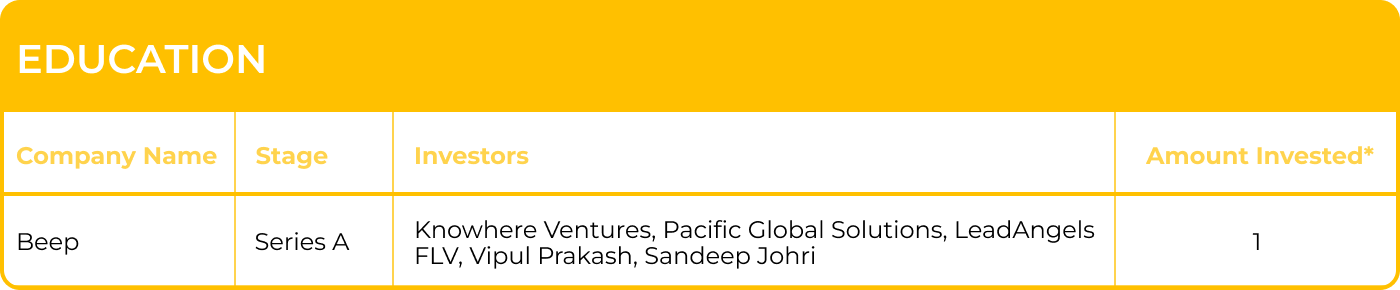
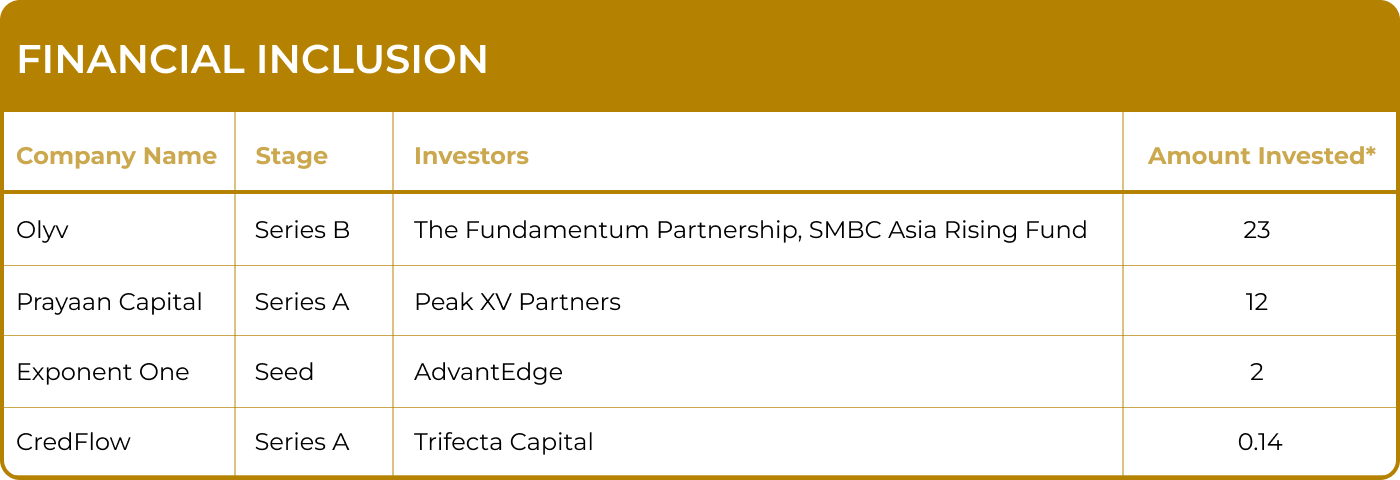
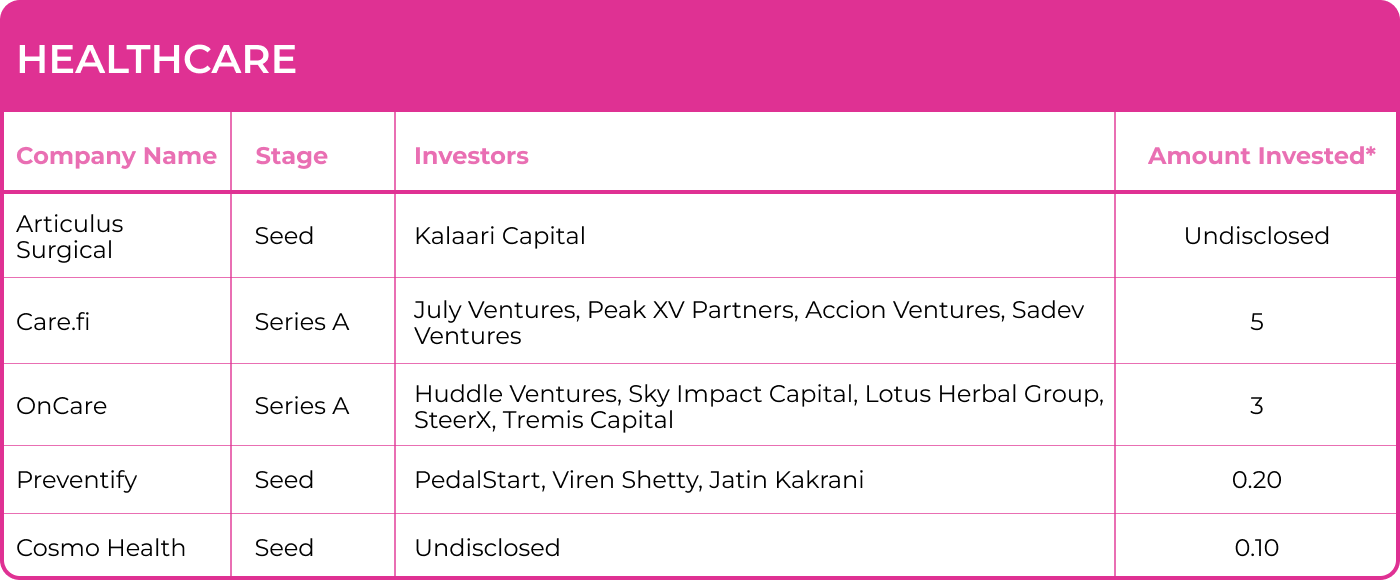
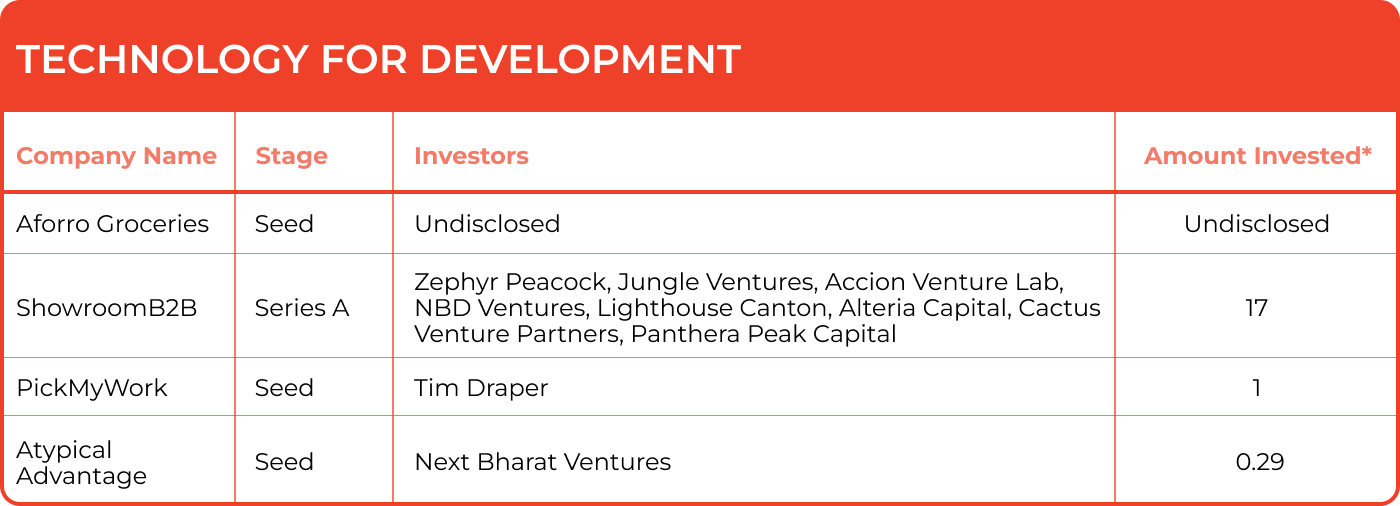


 The Month That Was
 Watchout For